

BINARY BASHERS | AUDIO DOCUMENTARIES
Leslie “Hutch” Hutchinson: Bisexuality, Race, and the Price of Fame
From Grenada to Harlem, Paris, and London’s glittering cabaret scene, Hutch became one of Europe’s most celebrated entertainers, while discovering how quickly admiration could become exclusion.
Who Was Leslie “Hutch” Hutchinson?
Leslie Arthur Julien Hutchinson (1900–1969), professionally known as Hutch, was a Grenadian-born pianist, singer, and cabaret entertainer who became one of the most celebrated performers in Britain during the 1920s and 1930s.
Born in Gouyave, Grenada, Hutchinson learned piano as a child before leaving the Caribbean for New York in 1916. His musical interests led him into Harlem’s developing jazz scene, where he encountered the rhythmic energy of stride piano and American popular music.
After experiencing racism in the United States, Hutch moved to Paris in 1924. There he developed a connection with American songwriter Cole Porter, whose music would become central to his performing career.
In 1927, Hutch arrived in London, where his sophisticated piano playing, elegant appearance, and distinctive singing voice quickly attracted the attention of wealthy audiences, celebrities, and members of British high society.
Known for his interpretations of popular standards, Hutch became a fixture of London’s fashionable nightclubs and private gatherings.
Yet the same society that celebrated his talent remained deeply divided by race, class, and expectations surrounding sexuality.
Was Ma Rainey Bisexual? Her Sexuality and Relationships
Ma Rainey is widely recognized by historians as an important figure in Black bisexual and queer history.
Her personal life included relationships with men, while historical accounts and her musical performances also provide evidence of same-sex relationships and desire.
Although Rainey married William “Pa” Rainey in 1904, her lyrics explored attraction and intimacy beyond heterosexual conventions and to more than one gender.
Her sexuality was not always expressed through the modern identity language (including visual and aesthetic language) used today. Instead, much of the surviving evidence appears through her music, public performances, historical accounts, and the social world of early twentieth-century blues entertainment.
The Library of Congress and National Women’s History Museum recognize Rainey’s significance to bisexual history.
Her life challenges the assumption that bisexual identity and multi-gender desire are exclusively contemporary experiences.
Was Leslie Hutchinson Bisexual? His Sexuality and Relationships
Leslie “Hutch” Hutchinson is recognized in bi+ historical accounts as an entertainer whose intimate relationships crossed gender boundaries.
Around 1923 or 1924, Hutch married Ella Byrd in New York City. Ella was a woman of African, English, and Chinese ancestry, and together they had a daughter, Lesley Bagley Yvonne Hutchinson, born in 1926. Although Hutch maintained relationships with other partners, Ella remained his wife until her death in 1958.
Their marriage represents an important part of Hutch’s personal history, though it is frequently overshadowed by relationships with prominent figures in European high society.
Biographical research also describes Hutch’s romantic and sexual relationships with men and women. Among the most significant was his relationship with composer Cole Porter, whom biographer Charlotte Breese identifies as Hutch’s lover. His relationship with British aristocrat Edwina Mountbatten also attracted public attention.
These accounts situate Hutch within a broader history of bisexual and queer performers whose intimate lives challenged conventional expectations long before contemporary LGBTQ+ identity terminology became widespread.
However, the surviving historical record varies in reliability. Some relationships are supported by substantial biographical research, while others appear primarily in retrospective accounts, media gossip, and unverified rumors.
Hutch’s story therefore requires distinguishing documented relationships from speculation while recognizing the people whose contributions to his personal life have received less historical attention.
His bisexual history is not simply about the number of people he loved. It also reveals how race, gender, class, and celebrity influenced whose relationships were celebrated, whose became scandals, and whose were quietly written out of the story.

Leslie Hutchinson and Cole Porter: Music, Desire, and Paris
Hutch’s years in Paris brought him into contact with Cole Porter, an American composer whose work helped define twentieth-century musical theater.
According to biographer Charlotte Breese, Hutch became Porter’s protégé and lover while developing his approach to performing popular songs.
Porter’s compositions became an important part of Hutch’s repertoire, with recordings and performances of songs including Begin the Beguine and Let’s Do It (Let’s Fall in Love).
Their connection offers a window into the cosmopolitan artistic communities of the 1920s, where music, international travel, and social experimentation created opportunities for relationships outside conventional expectations.
Yet these circles were not free from inequality. Hutch navigated the privileges of his celebrity alongside the racial restrictions imposed on Black performers.
The relationship between Hutch and Porter therefore belongs to both the history of popular music and the broader history of queer artistic life.

Leslie Hutchinson, Edwina Mountbatten, and British High Society
By the 1930s, Hutch had become a prominent entertainer in London’s elite social circles.
His performances attracted members of the aristocracy, wealthy patrons, and figures connected to the British royal family.
Among his best-known relationships was his involvement with Edwina Mountbatten, a British aristocrat married to Louis Mountbatten.
English Heritage describes their long-standing relationship as widely known within fashionable London circles.
Although Hutch’s talent earned him invitations to exclusive private events, his status as a Black Caribbean entertainer did not protect him from racial prejudice.
He could be celebrated as an exceptional guest or performer while still being expected to enter wealthy homes through servants’ entrances.
His relationships with white members of Britain’s upper classes also drew scrutiny within a society governed by racial and class expectations.
Hutch’s experience exposed the contradiction of a culture willing to celebrate Black entertainment while resisting Black social equality.
Leslie Hutchinson’s Cabaret Career: From Grenada to London
Hutch’s international career connected the musical cultures of the Caribbean, Harlem, Paris, and London.
His performances combined stride piano, popular song, theatrical sophistication, and an understated vocal delivery that appealed to audiences across social classes.
By the mid-1930s, he was among Britain’s most recognizable cabaret stars.
His repertoire included standards such as Night and Day, Smoke Gets in Your Eyes, These Foolish Things, and Begin the Beguine.
During the Second World War, Hutch continued entertaining audiences, including Londoners sheltering during air raids.
His popularity reflected the growing influence of Black performers on European popular culture, even as racial discrimination constrained their opportunities and social standing.
Hutch helped shape an era of cabaret entertainment in which a single performer at the piano could command the attention of an entire room.
Why Is Leslie Hutchinson Considered “Bi-Coded” in Binary Bashers?
Binary Bashers, an LGBTQ+ history audio documentary series produced by Embracing All of Me, examines Leslie “Hutch” Hutchinson through its “bi-coded” historical framework, which considers documented evidence of attraction, intimacy, and relationships involving more than one gender.
The framework differs from broader queer-coded interpretations by requiring evidence of multi-gender desire or relationships rather than relying on artistic style, social associations, or gender expression.
Hutch’s life offers a meaningful application of this approach.
His marriage and relationships with women, alongside biographical accounts identifying Cole Porter as a male lover, provide a basis for examining modern bisexual history through his personal experiences.
The distinction between documented relationships and unverified society rumors remains important. Hutch’s celebrity generated considerable media gossip, and not every rumored affair should be treated as established fact.
Through the bi-coded framework, Binary Bashers considers how Hutch’s sexuality intersected with race, class, celebrity, and unequal social power.
His position was contradictory: a Black entertainer could escape the racism of United States and could be welcomed into Britain’s most exclusive rooms while remaining vulnerable to the racism and social rejection of the people who invited him.
Hutch’s story illustrates that acceptance, visibility, and privilege are not the same thing.
The very people who desired his presence did not always extend the dignity and protection that accompanied their own social positions.
The Decline and Legacy of Leslie “Hutch” Hutchinson
Although Hutch remained active as a performer through the Second World War, changing musical tastes and financial difficulties gradually diminished his professional opportunities.
As postwar British entertainment evolved, the intimate cabaret style that had once made him famous became less fashionable.
He experienced mounting financial difficulties, eventually selling his longtime London home in 1967. Hutch died in London in 1969, far removed from the extraordinary celebrity he had enjoyed during the 1930s. Yet his contributions to popular music and Black British cultural history have received renewed recognition.
In 2012, English Heritage installed a blue plaque at his former home at 31 Steele’s Road in London, commemorating his importance as a singer, pianist, and cabaret entertainer.
His life remains an important example of Black artistic achievement, bi historical visibility, and the limits of social acceptance in twentieth-century Europe.
Leslie Hutchinson Binary Bashers Audio Transcript
Frequently Asked Questions About Leslie Hutchinson
Leslie Arthur Julien Hutchinson was a Grenadian-born singer and pianist who became one of Britain’s leading cabaret entertainers during the 1920s and 1930s. Known professionally as Hutch, he performed popular standards for audiences that included celebrities and members of British high society.
Hutch is identified as bisexual in historical and biographical accounts. He had relationships with women, while biographer Charlotte Breese also describes Cole Porter as his male lover. Some other alleged relationships remain less firmly documented. We do not have a record of how Leslie identified himself to himself or others.
Yes. Leslie “Hutch” Hutchinson married Ella Byrd in New York City around 1923 or 1924. Ella was a woman of African, English, and Chinese ancestry. The couple had a daughter, Lesley Bagley Yvonne Hutchinson, born in 1926. Although Hutch maintained relationships with other partners during their marriage, Ella remained his wife until her death in 1958. Their marriage was an important part of his personal life, even as his relationships with prominent figures such as Cole Porter and Edwina Mountbatten attracted greater public attention.
Yes, biographer Charlotte Breese identifies Cole Porter as Hutch’s lover and mentor during his time in Paris. Hutch also became well known for performing Porter’s compositions.
English Heritage identifies Hutch’s long-standing relationship with Edwina Mountbatten as widely known in London’s social circles. The relationship attracted attention partly because of the racial and class boundaries of British high society.
Hutch was known for performances of These Foolish Things, Begin the Beguine, Night and Day, and Smoke Gets in Your Eyes, among other popular standards.
Hutch’s career reveals the intersection of Black artistic achievement, bisexual relationships, interracial intimacy, and racial inequality in twentieth-century Europe. His story illustrates how fame and cultural admiration did not necessarily translate into social equality.
Hutch’s documented relationships and biographical accounts of multi-gender intimacy directly connect with the Binary Bashers bi-coded historical framework. His experiences also illuminate how racism, class privilege, sexuality, and celebrity influenced whose relationships were accepted and whose became scandals.
Suggested Reading Guide
Leslie Hutchinson — English Heritage — career, discrimination, London performances, and Edwina Mountbatten.
Hutch — Charlotte Breese — book-length biographical research, including the relationship with Cole Porter.
Leslie Hutchinson Remembered — Grenada National Archives — Caribbean origins and international career.
Leslie Hutchinson — National Portrait Gallery — historical photographic record.
Leslie Hutchinson — Bi.org — bisexual historical profile.
More Stories That Challenge Binares
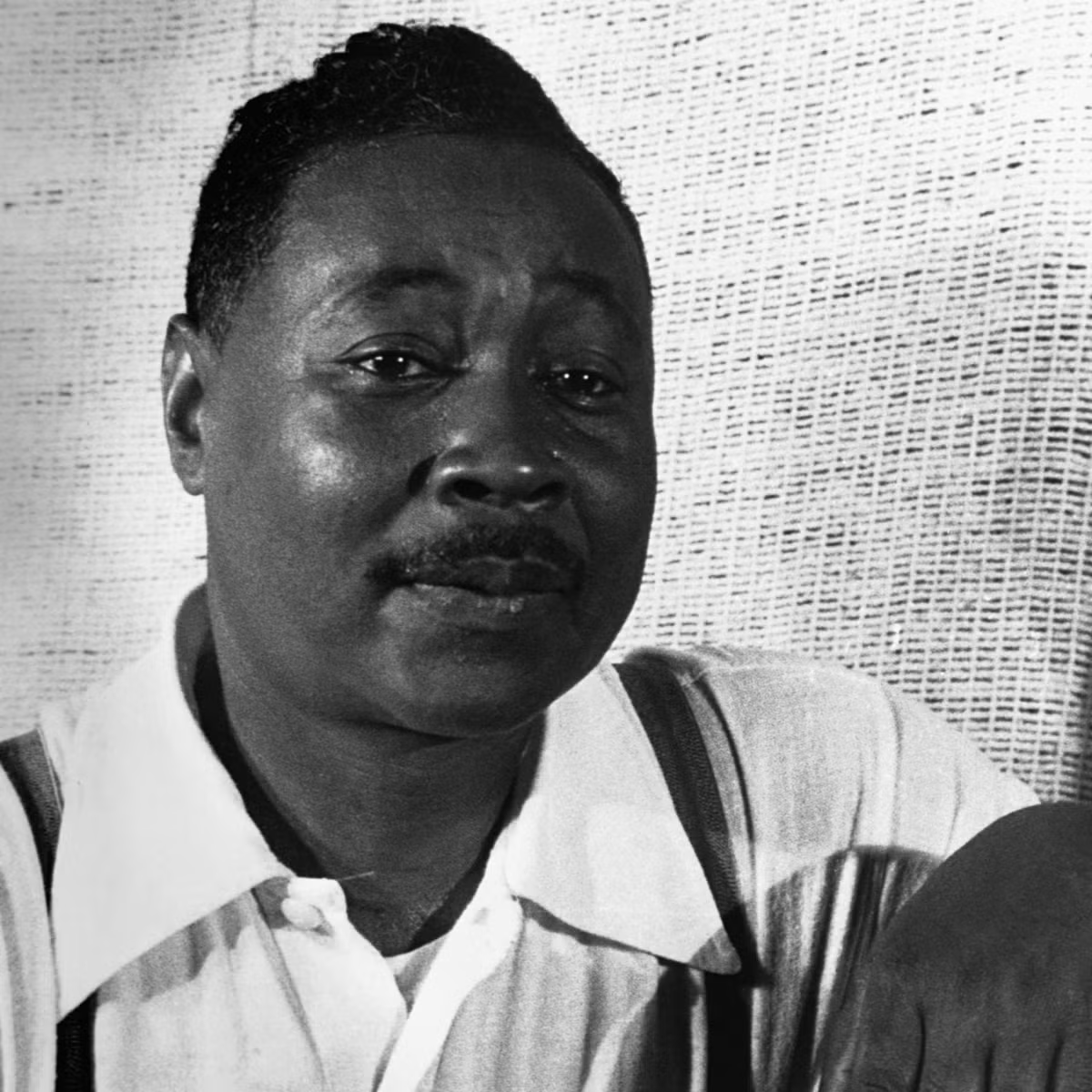
Claude McKay
Harlem Renaissance and queer desire
Explore Episode

Alice Dunbar-Nelson
Black feminism, intimacy, and hidden histories
Explore Episode

June Jordan
Bisexuality, poetry, and liberation
Explore Episode

Dr. Ibrahim Farajaje
Queer theologian
Explore Episode

Ma Rainey
Women in Blues
Explore Episode