

BINARY BASHERS | AUDIO DOCUMENTARIES
Ma Rainey: Bisexual Desire and the Birth of the Blues
Known as the Mother of the Blues, Ma Rainey transformed Black American music while singing about love, desire, betrayal, and the freedom to live beyond society’s expectations.
Who Was Ma Rainey?
Gertrude “Ma” Rainey (1886–1939) was a pioneering Black American blues singer, songwriter, and performer whose commanding voice and stage presence earned her the title Mother of the Blues.
Born Gertrude Pridgett in Columbus, Georgia, Rainey began performing as a teenager, traveling through the American South with tent shows, vaudeville companies, and touring musical productions.
In 1904, she married fellow performer William “Pa” Rainey, and the couple performed together before eventually separating.
By the 1920s, Ma Rainey had established herself as one of the most influential performers in American blues music. She signed with Paramount Records in 1923 and recorded nearly 100 sides over the following five years.
Her music explored love, betrayal, sexual independence, economic hardship, and the everyday experiences of Black women navigating a society structured by racism and gender inequality.
But Rainey’s legacy extended beyond music. Her performances and personal history also challenged conventional expectations surrounding sexuality and Black womanhood.
Was Ma Rainey Bisexual? Her Sexuality and Relationships
Ma Rainey is widely recognized by historians as an important figure in Black bisexual and queer history.
Her personal life included relationships with men, while historical accounts and her musical performances also provide evidence of same-sex relationships and desire.
Although Rainey married William “Pa” Rainey in 1904, her lyrics explored attraction and intimacy beyond heterosexual conventions and to more than one gender.
Her sexuality was not always expressed through the modern identity language (including visual and aesthetic language) used today. Instead, much of the surviving evidence appears through her music, public performances, historical accounts, and the social world of early twentieth-century blues entertainment.
The Library of Congress and National Women’s History Museum recognize Rainey’s significance to bisexual history.
Her life challenges the assumption that bisexual identity and multi-gender desire are exclusively contemporary experiences.
Ma Rainey’s “Prove It on Me Blues”: Queer Desire in Black Music
In 1928, Ma Rainey recorded Prove It on Me Blues, a song that became one of the most significant early examples of same-sex desire in recorded American blues music.
The lyrics describe a woman who rejects conventional expectations about romantic relationships and openly references spending time with other women.
The song’s original promotional advertisement reinforced these themes. It depicted a masculine-presenting woman in a suit and hat interacting with two women while a police officer observed nearby.
The combination of music, visual imagery, and public provocation made Prove It on Me Blues a remarkable cultural statement.
At a time when same-sex relationships faced widespread criminalization and social condemnation, Rainey’s performance brought queer desire into a commercially distributed musical recording.
The song demonstrates how Black women used the blues to express possibilities of sexual autonomy that mainstream institutions often attempted to suppress.

Ma Rainey and Bessie Smith: Black Queer Women in the Blues
Ma Rainey belonged to a generation of influential Black women whose performances helped shape the development of modern American music.
Among them was Bessie Smith, the celebrated blues singer often called the “Empress of the Blues.”
Smith and Rainey shared professional and personal connections within the traveling entertainment circuit. Historical accounts have also suggested a romantic relationship between the two performers, although the precise nature of that relationship remains uncertain.
Both women challenged the expectations imposed on Black female performers through their independence, stage personas, and explorations of sexuality.
Their careers also reveal how traveling blues communities could create spaces for unconventional relationships and expressions of gender and desire.
The histories of Ma Rainey and Bessie Smith remain important to understanding Black queer culture before the emergence of contemporary LGBTQ+ movements.
Why Is Ma Rainey Considered Bi-Coded in Binary Bashers?
Binary Bashers, an LGBTQ+ history audio documentary series produced by Embracing All of Me, examines Ma Rainey through its bi-coded historical framework, an evidence-based approach to understanding attraction, intimacy, and relationships involving more than one gender.
Unlike broader queer-coded interpretations, the bi-coded framework looks for historically grounded evidence through personal relationships, writings, creative expression, and lived experience.
Ma Rainey offers a particularly compelling example because her bisexual historical significance is supported by both biographical accounts and her artistic work.
Her relationships with men, historical accounts of same-sex intimacy, and explicitly queer themes in Prove It on Me Blues establish a basis for examining multi-gender desire within her life and cultural legacy.
However, Binary Bashers also distinguishes between documented personal relationships and the fictional or performative perspectives expressed through music.
Rather than assuming that every lyric represents autobiography, the series examines how Rainey’s lived experiences, artistic decisions, and historical environment intersected.
Through this bi-coded framework, Ma Rainey’s story reveals how bisexual and queer Black women could communicate desire, resistance, and self-determination through popular music long before contemporary identity terminology became widespread.
Her contribution to bisexual history is therefore inseparable from her artistic legacy.
The Mother of the Blues: Ma Rainey’s Musical Legacy
Ma Rainey’s influence on American popular music extended far beyond her recordings.
Her powerful vocal delivery, expressive phrasing, and commanding stage presence helped establish the classic blues as a major commercial musical form.
Among her notable recordings are Bo-Weevil Blues, See See Rider Blues, Moonshine Blues, and Ma Rainey’s Black Bottom.
Her performances combined musical innovation with direct expressions of everyday life, transforming personal experiences into songs that audiences could recognize as their own.
Her influence extended to later generations of singers, performers, poets, and scholars examining the relationship between Black music and cultural liberation.
Contemporary scholarship, including the work of Angela Y. Davis, has also emphasized the importance of early blueswomen in challenging conventional expectations surrounding sexuality, labor, love, and independence.
Ma Rainey’s legacy demonstrates that the history of American music cannot be fully understood without recognizing the Black women who shaped its sound—and expanded its possibilities for personal expression.
Ma Rainey Binary Bashers Audio Transcript
Suggested Reading Guide
Smithsonian National Museum of African American History and Culture — Ma Rainey
Library of Congress — Gertrude “Ma” Rainey in Newspapers
National Women’s History Museum — Gertrude “Ma” Rainey
Smithsonian — The Harlem Renaissance in Black Queer History
Yale University Library — Sapphic Blues
Angela Y. Davis — Blues Legacies and Black Feminism (1998)
Jonathan Ned Katz — Ma Rainey’s “Prove It on Me Blues,” 1928 (OutHistory)
More Stories That Challenge Binares
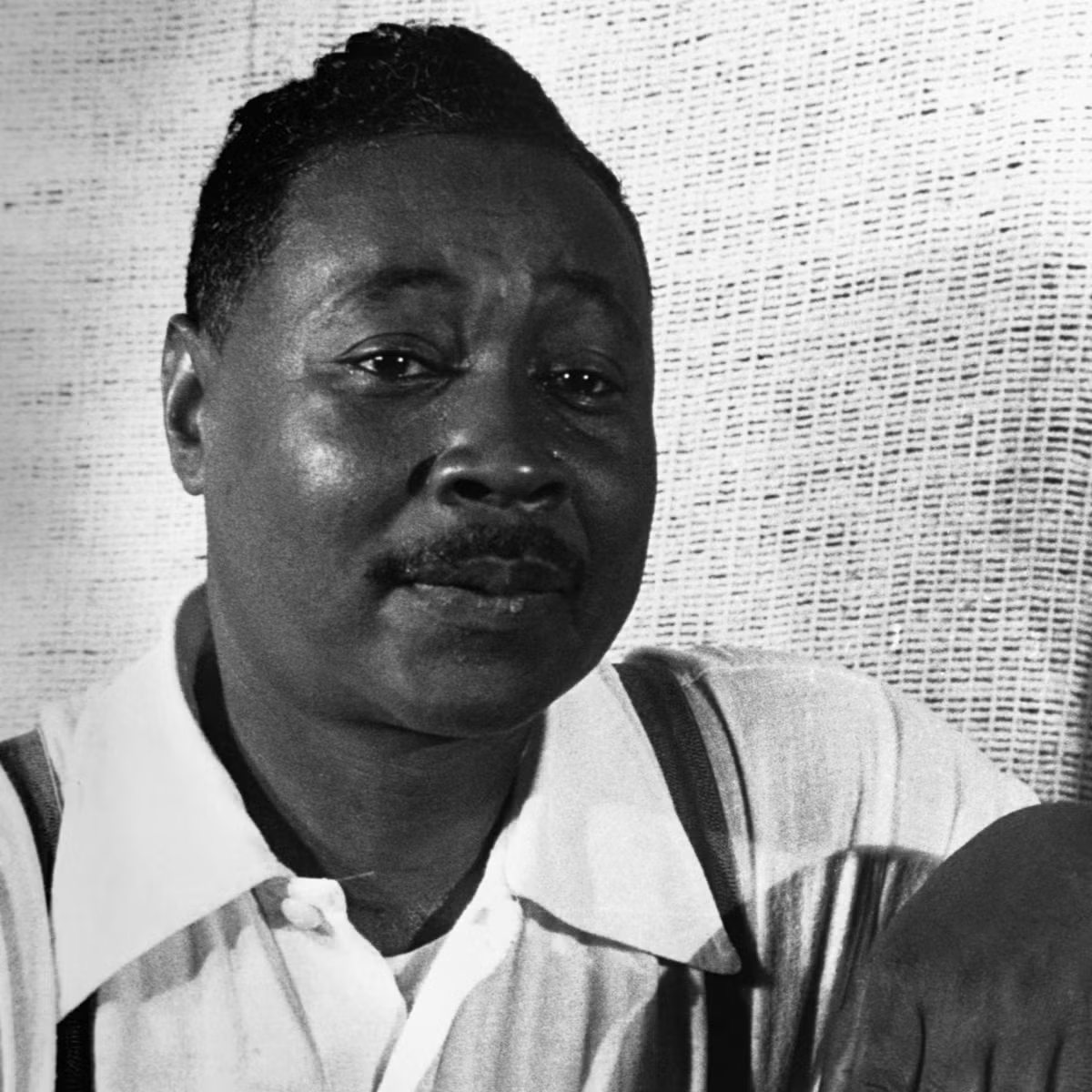
Claude McKay
Harlem Renaissance and queer desire
Explore Episode

Alice Dunbar-Nelson
Black feminism, intimacy, and hidden histories
Explore Episode

June Jordan
Bisexuality, poetry, and liberation
Explore Episode

Dr. Ibrahim Farajaje
Queer theologian
Explore Episode